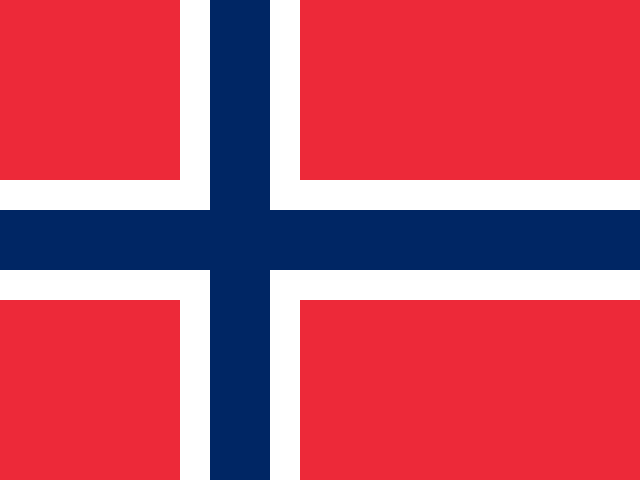
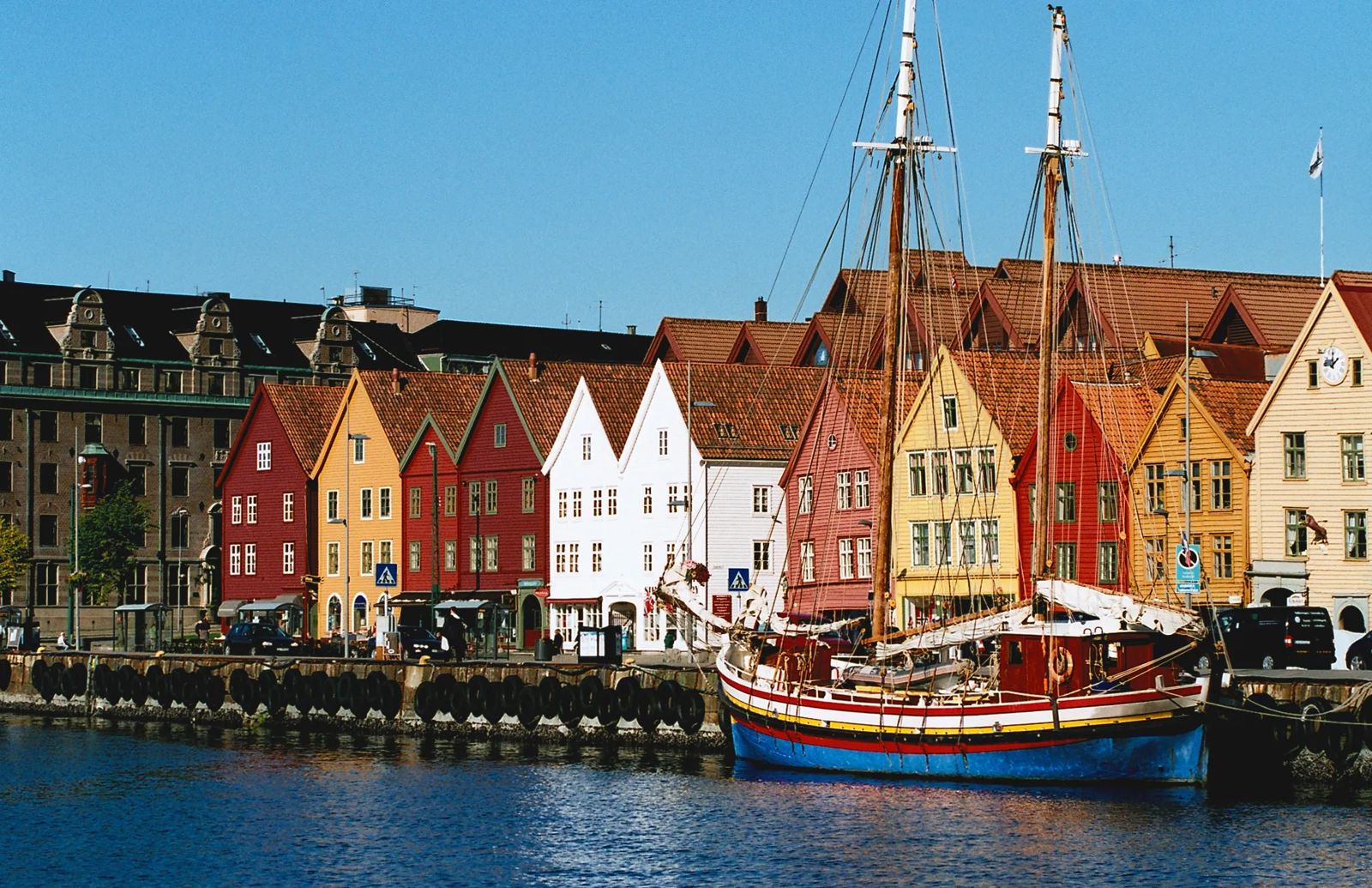
Norway at a glance
- Population
- 5,627,400
- A medium-sized country
- Eurostat, 2026
- Size
- 384,482 km²
- Eurostat, 2026
- Minimum wage
- No national minimum wage
- Pay is often set by agreements between employers and unions, sometimes by region
- Cost of living
- 134.1 (EU average = 100)
- About 34% more expensive than the EU average
- Eurostat, 2024
- Unemployment
- 4.5%
- Low
- Eurostat, 2025
What these numbers mean for you
- Salaries are before tax. What you take home depends on tax and social security, which differ by country.
- Cost of living compares prices for everyday things with the EU average (100). A higher number means life is more expensive, so a higher salary does not always mean more money left over.
- Unemployment is for the whole country. It can be much lower in shortage jobs, and higher in others.
- Averages hide differences. Big cities usually pay more and cost more.
Everyday life
Checked against official sources on 9 November 2026.

Pay
Norway has no general minimum wage. Pay is agreed in your written contract. But some sectors have a legal minimum wage: for example construction, cleaning, hotels and restaurants, agriculture, fish processing, electrical work and transport.
Typical take-home pay per month after tax (2026 tax rates, EURES estimates):
| Job | After tax, per month |
|---|---|
| Cleaner | about NOK 32,900 |
| Care worker | about NOK 35,400 |
| Healthcare worker | about NOK 38,400 |
| Nurse | about NOK 43,500 |
You also earn holiday pay of at least 10.2%, paid the year after. Work permits have their own pay rules. See Working in Norway and Salary and cost of living in Europe.
Holidays
By law you get at least 25 working days of holiday a year (Saturdays count as working days, so this is four weeks and one day). Many employees get five weeks through agreements. You can ask for three weeks in a row between 1 June and 30 September.
Health care
Norway has a publicly funded health system. Your GP (family doctor) is the first person to contact. You need to be registered as a resident in a municipality to get a GP.
| Patient fee (2026) | Amount |
|---|---|
| GP visit, daytime | NOK 179 |
| Specialist visit | NOK 443 |
| Yearly maximum (then free for the rest of the year) | NOK 3,278 |
Out of hours, call 116 117. In an emergency, call 113.
Sick pay and parental leave
- Sick: after two months in the job you can use self-certified sick leave (no doctor’s note). Your employer can ask for a doctor’s note if you are away more than three days.
- Parental leave: parents can take 12 months of leave together, plus extra unpaid leave. Nav (the welfare office) pays parental benefit.
- Mothers get paid time off to breastfeed: up to one hour a day in the child’s first year.
Housing
Most newcomers rent. In 2025 a two-room flat cost on average NOK 11,790 a month, and NOK 15,260 in Oslo and Bærum.
- Always get a written contract.
- The deposit is at most six months’ rent. It must go into a separate deposit account in your name.
- Never pay a deposit in cash or into the landlord’s private account. That is not legal.
Childcare
Nursery school (barnehage) is voluntary, for children under school age. Apply through your municipality, which sets deadlines. You can compare nurseries on Barnehagefakta.no. School is free and compulsory from age 6 to 16.
Still being checked: Until then, the EU's Your Europe portal explains your rights as a worker in Europe.
Climate
Summers, winters and daylight, so you know what to expect.
Being checkedSources
- EURES (European Commission), Living and working conditions – NorwayUpdated 5 June 2026
- Eurostat: Population on 1 January (tps00001)Updated 27 October 2026
- Eurostat: Purchasing power parities, price level indices, nominal and real expenditures by analytical categories - based on COICOP 1999 (prc_ppp_ind)Updated 10 July 2025
- Eurostat: Unemployment by sex and age - annual data (une_rt_a)Updated 6 November 2026
- Eurostat: Area by NUTS 3 region (reg_area3)Updated 22 January 2026
Eurostat figures fetched 9 November 2026. Each figure shows the period it covers.